Light is one of the most fundamental yet intangible materials in architecture. Unlike concrete, steel, or wood, it cannot be physically shaped, but it can be carefully guided, reflected, softened, or intensified to define how a space is experienced. In contemporary architectural practice, light is no longer treated as a byproduct of design. It is an active design element that shapes form, mood, and human behavior.
At Pake Design, we approach light as a spatial material. Every project begins with understanding how daylight moves through a site, how it changes across seasons, and how it interacts with surrounding structures and landscape conditions. This early analysis often determines the orientation of the building, the placement of openings, and the rhythm of interior spaces.
Natural light as a spatial organizer
Natural light has the ability to structure space without physical partitions. A well positioned opening can define circulation paths, highlight focal points, and create natural pauses within an interior. In residential architecture, this often translates into soft transitions between public and private zones, where light intensity gradually shifts rather than abruptly changes.
For example, living areas are often designed to receive the most consistent daylight exposure, while transitional spaces such as corridors or staircases are allowed to play with contrast, shadow, and controlled illumination. This hierarchy of light contributes to a more intuitive spatial experience.
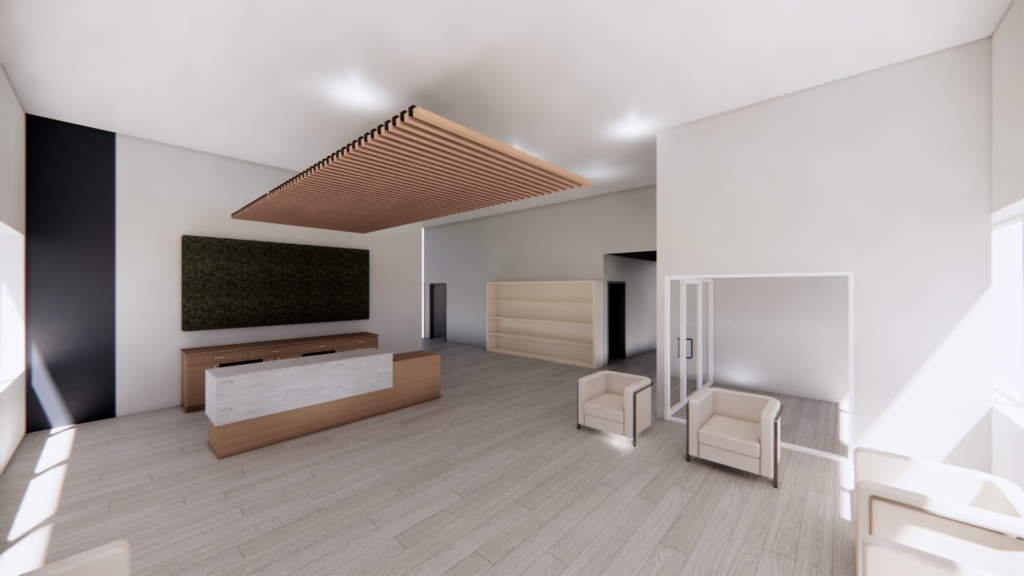
The emotional dimension of light
- For example, living areas are often designed to receive the most consistent daylight exposure, while transitional spaces such as corridors or staircases are allowed to play with contrast, shadow, and controlled illumination. T
- his hierarchy of light contributes to a more intuitive spatial experience.